
Fiedler Trial Lawyers

Author name: Epidemic Developer 2

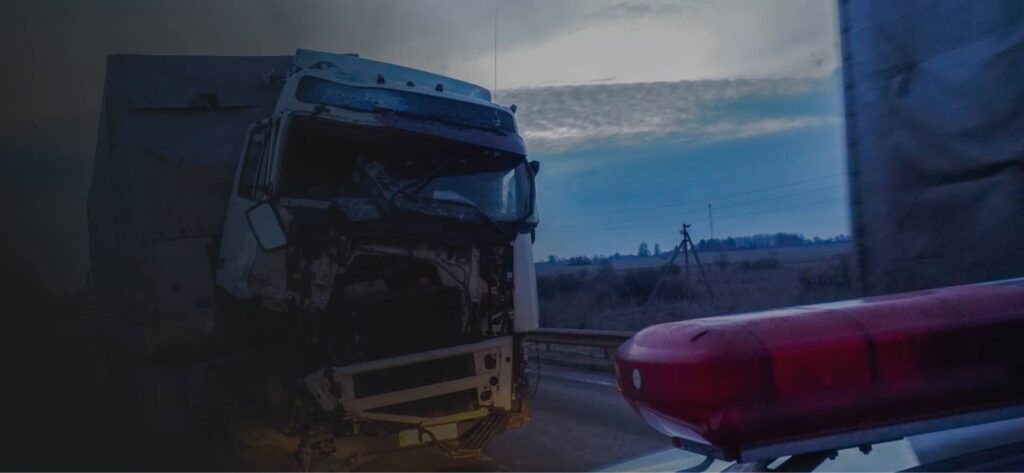
A damaged truck with a missing front hood is stopped on the side of a road near a police vehicle at dusk.
Semi-Truck Accidents

Who Can Be Held Liable in a Semi-Truck Accident in Denver?

A serious truck accident can turn life upside down, yet there is real hope in understanding one simple truth. Many semi-truck crashes involve more than one responsible party. You are not expected to untangle that alone. When you work with a Denver semi-truck accident lawyer at FIEDLER Trial Lawyers, you get a team that knows how to sort through complex evidence and find every source of accountability. This matters because identifying all liable parties often creates more paths to compensation. It also takes pressure off you while you focus on healing. With the right guidance, you can move forward with clarity instead of confusion. Understanding Liability in Colorado Truck Accident Cases Liability in a truck accident is based on negligence. In simple terms, negligence means someone failed to act safely and that failure caused the crash. It can be a bad decision, a safety rule that was ignored, or a danger that should have been fixed. Colorado uses modified comparative negligence. This system allows a jury to divide fault by percentages. Your compensation is reduced by your share of fault, and if you reach 50 percent or more, you may not recover money at all. This is why truck cases often require a careful look at every party involved. Insurers sometimes try to shift blame onto the victim to lower what they pay. They may point to small details or make assumptions that do not match the evidence. FIEDLER Trial Lawyers look at the whole picture and work to protect injured people from these tactics. Common points that affect liability include: Who broke traffic or safety rules. Whether the truck or company ignored hours of service limits. How cargo was loaded or secured. Whether road conditions or poor maintenance played a role. Potentially Liable Parties in a Denver Semi-Truck Accident Truck accidents are complex because many people and companies play a part in getting a truck on the road. Each one can share responsibility depending on what went wrong. The Truck Driver A truck driver can be liable when unsafe choices lead to a collision. This includes distracted driving, texting, speeding, driving while tired, ignoring signals, or making unsafe lane changes. A driver may also violate federal hours of service rules, which increases the risk of fatigue-related crashes. Each of these actions can place full or partial responsibility on the driver. The Trucking Company (Motor Carrier) The trucking company is often a major source of liability. Under vicarious liability, the company is responsible for the driver’s actions while on the job. Companies can also be negligent on their own. Examples include: Hiring unqualified drivers. Poor training or lack of supervision. Pressuring drivers to skip rest breaks or meet unsafe schedules. Ignoring maintenance needs or safety regulations. A company’s decisions can create dangerous conditions long before the truck reaches the road. Cargo Loaders, Shippers, and Brokers Cargo must be loaded safely. When loaders or shippers make mistakes, they can create serious risks for everyone on the road. Overloading, uneven weight distribution, and loose cargo can cause rollovers, jackknifes, or sudden loss of control. Unsafe scheduling or routing can also contribute to liability. A broker who pushes unrealistic delivery times may indirectly encourage risky driving. Maintenance and Repair Contractors Semi-trucks rely on consistent, thorough maintenance. Contractors who service brakes, tires, steering systems, or suspension parts can be liable if poor work leads to a crash. Missing a worn brake pad or a damaged tire can create catastrophic consequences. Maintenance records are key in these cases. A clear paper trail often shows whether a contractor failed to identify or repair a known issue. Truck and Parts Manufacturers Some crashes happen because a truck part fails. When a tire blows out due to a defect, or when brakes or steering components malfunction, the manufacturer may be responsible. These product defect claims focus on whether the part was designed or built in a dangerous way. These cases require careful expert analysis to understand what failed and why. Other Drivers Not every truck accident is only the truck’s fault. Passenger vehicles often cut off trucks, brake suddenly, weave through traffic, or create chain reaction collisions. When this happens, those drivers may share liability. This is also where internal linking to Denver car accident claims fits naturally. Government Entities (Road Design and Maintenance) Sometimes the road itself contributes to a crash. Missing signs, unsafe road design, potholes, and known hazards can place responsibility on government agencies. These claims follow special notice rules, so timing matters, but they remain an important piece of the liability picture How a Denver Truck Accident Lawyer Proves Who Is Liable Proving liability in a semi-truck accident takes careful investigation. These cases involve more evidence than a typical car crash because trucks operate under strict federal and state rules. A Denver truck accident lawyer at FIEDLER Trial Lawyers reviews every detail to understand exactly what happened and who played a role in the crash. Much of the evidence can disappear quickly, so acting early is important. Electronic data may be overwritten, trucks may be repaired, and companies may not hold onto documents unless they are required to. This is why truck cases often move fast on the investigative side. Key evidence often includes: ELD logs and hours of service records. Black box or ECM data showing speed, braking, and engine performance. Maintenance and inspection records. Bills of lading and shipping contracts. Police reports and hazardous materials documentation. Witness statements, photos, and video. Phone records and GPS logs. This evidence helps build a clear picture of how the crash happened and which parties should be held accountable. Why Identifying Every Liable Party Matters in a Semi-Truck Case Truck accidents often lead to life-changing injuries. Medical care is expensive, recovery takes time, and many people cannot return to work right away. When damages are high, it becomes even more important to identify every party that contributed to the crash. Different categories of losses can add up quickly, such as: Medical bills and long-term care.

A person rides a motorcycle on a winding mountain road at sunset, with trees and hills visible in the background.
Motorcycle Accidents

Helmet Laws in Colorado: How They Impact Motorcycle Accident Claims

Riding in Colorado brings a sense of freedom, and that feeling should not disappear after a crash. If you or someone you love was hurt on a motorcycle, you might worry about what happens next, especially if you were not wearing a helmet. The truth is that many injured riders still have a strong claim, and the focus should stay on what the other driver did wrong. If you need help right now, a Denver motorcycle accident lawyer at FIEDLER Trial Lawyers can guide you through your options with no judgment at all. Colorado’s helmet rules can feel confusing, yet understanding them can take a lot of pressure off your shoulders. Here is what the law actually says and how it may affect an injury claim. What Colorado Motorcycle Helmet Law Actually Says Colorado’s helmet rules depend mostly on age, and they play a different role in injury claims than most people expect. Riders and Passengers Under 18 According to CDOT, young riders must wear a helmet in Colorado. The law requires a DOT-approved helmet that is properly strapped in place. Police can issue a citation if a teen or child rides without one, but that ticket does not automatically decide who caused a crash. Where this becomes important is during an injury claim. Insurance companies sometimes argue that a minor’s injuries were worse because they were not wearing a helmet. A lawyer can step in here because the insurer must prove that claim with evidence. The conversation quickly shifts back to the real issue, which is usually the other driver’s choices. Riders and Passengers 18 and Older Adults do not have to wear a helmet in Colorado. Riders and passengers who are 18 or older have the legal right to ride without one. The only universal rule is eye protection. Every rider must use goggles, glasses, or a visor that protects against wind and debris. State agencies still encourage helmet use, yet the law respects personal choice. For adults injured in a crash, not wearing a helmet does not erase the ability to pursue Colorado motorcycle accident claims. It simply becomes one small part of the story that may or may not matter depending on the injuries involved. Why This Matters After a Crash Helmet laws often come up during insurance claims, even when they have nothing to do with what caused the collision. Adjusters sometimes use helmet questions to distract from the driver who actually caused the crash. Knowing the law helps you keep the focus where it belongs. A lawyer makes sure the conversation centers on the driver’s negligence, not your gear.   Does Not Wearing a Helmet Make You At Fault for the Crash? Not wearing a helmet does not make you at fault for a motorcycle crash. Fault comes from the other driver’s choices, such as speeding, texting, drunk driving, or making an unsafe turn. A rider can be helmetless and still be zero percent responsible. Colorado decides fault by looking at what happened on the road, not whether a rider used safety gear. Helmet use may come up later when discussing injuries, but it does not cause a collision. Insurance companies sometimes bring up helmet use to lower the payout. They may claim injuries were worse without a helmet, even when the injuries had nothing to do with the head. This is where evidence and expert review matter. A lawyer keeps the focus on the driver’s negligence, which is what usually decides the case. Colorado’s Comparative Negligence Rule and Motorcycle Cases Colorado uses modified comparative negligence. A jury can split fault by percentage when more than one person may have played a role. Your compensation is reduced by your share of fault. If you reach 50% or more, you may not recover money under Colorado’s comparative negligence rules. Insurers take advantage of this system by trying to shift blame onto riders. They may argue that not wearing a helmet “contributed” to the harm, even when the crash clearly came from the driver’s actions. They often try tactics such as:   Claiming the rider made injuries worse without a helmet.   Suggesting speeding with no real evidence.   Pointing to lane position instead of the driver’s mistake. A lawyer steps in to correct these claims and keep the case centered on solid evidence. How Helmet Use (or Non-Use) Can Affect Injury Claims Helmet use may come up in certain parts of an injury claim, mostly when insurers try to reduce payouts rather than prove fault. The “Failure to Mitigate” Argument Insurance companies sometimes argue that a rider who was not wearing a helmet “failed to protect themselves.” In simple terms, they claim the rider made their injuries worse, so the payout should be lower. This tactic can sound convincing at first, but it only works if they can prove it. The insurer must show real evidence that a helmet would have changed the injury. They cannot rely on guesses or broad assumptions. A lawyer can challenge these claims with medical records, expert opinions, and crash analysis to keep the focus where it belongs. When Helmet Use Matters Most: Head and Brain Injuries Helmet questions show up most often in cases involving the head. These are the situations where insurance companies try to argue that the severity of the injury came from the lack of a helmet. This often includes: Traumatic brain injuries. Skull fractures. Severe head trauma that changes someone’s daily life. In these serious brain injury cases, expert testimony may be needed. Specialists can explain whether a helmet would have made a meaningful difference, which helps counter unfair attempts to shift blame onto the rider. When Helmet Use May Matter Less Many injuries have nothing to do with helmet use. A broken leg or injured spine will not change based on whether a rider had a helmet on. These cases allow the lawyer to clearly separate helmet issues from the true cause of the harm. Examples of injuries where helmet use is usually

A person wearing a helmet, white tank top, and jeans is riding a black sports motorcycle on a road with a blurred background.
Motorcycle Accidents

What Causes Most Motorcycle Accidents in Denver?

Safe riding starts with awareness. Knowing what causes most motorcycle accidents makes them easier to avoid. Many motorcycle accidents in Denver happen on busy roads like Colfax Avenue, I-25, and Federal Boulevard. Riders passing through areas such as Capitol Hill or heading into downtown face higher risks because of heavy traffic, distracted drivers, and sudden lane changes. Staying alert in these spots can greatly reduce your chances of a crash. Whether you’re new to riding or have years of experience, understanding the biggest risks on Denver roads can help you stay safer on the road. Key Summary:   In 2024, 165 motorcyclists were killed on Colorado roads, up 23 percent from 2023, according to CDOT. In Denver, most crashes involve distracted driving, speeding, impaired riders, or drivers who fail to see motorcycles. About one-third happen without another vehicle. Knowing these risks can help you ride more safely, and legal help is available if you are injured. 5 Common Causes of Motorcycle Accidents in Denver While not every crash is preventable, many of the most serious motorcycle accidents are linked to common patterns and behaviors.   Careless Driving About one in three motorcycle accidents are caused by careless driving and drivers failing to notice motorcycle riders on the road. Because motorcycles are much smaller than the average vehicle, they can easily get lost in a driver’s blind spot. Drivers who switch lanes or make turns without noticing a motorcycle rider can cause serious accidents. Left-turn accidents are especially common in motorcycle cases.   Driving Under the Influence (DUI) Accidents Almost half of all fatal motorcycle accidents involve alcohol impairment in the motorcycle rider. Motorcyclists riding under the influence have significantly slower reaction times and a higher tendency to drive recklessly.   Speeding The National Highway Traffic Safety Administration (NHTSA) revealed that more than one third of all fatal motorcycle accidents were due to speeding in 2022. Speeding is a predominant factor in car accidents, truck accidents, and motorcycle accidents. The impact of an accident is greatly exaggerated when one or more of the vehicles involved were speeding.   Distracted Driving Distracted driving, which includes behavior like eating, texting, talking on the phone, or using your in-car entertainment system, is a leading cause of all auto accidents. Taking your eyes off the road for even a split second can lead to a life-changing accident. Drivers and motorcyclists who drive distracted pose a serious threat to themselves and those on the road around them.   Single-Vehicle Accidents Whether a motorcycle rider is inexperienced, driving recklessly, or dealing with poor conditions on the road, single-vehicle accidents are incredibly common among motorcycle riders. In fact, one third of motorcycle accidents do not involve another vehicle in the nation. How a Denver Motorcycle Accident Lawyer Can Help After a motorcycle crash in Denver, it is common to feel stressed and unsure of what to do next. Medical bills, insurance calls, and missed work can pile up quickly. A local motorcycle accident lawyer can take on the legal and insurance issues so you can focus on recovery. They can:   Investigate the crash and collect evidence such as traffic camera footage, photos, and the police report.   Handle all communication with the insurance company and challenge unfair settlement offers.   Work with your doctors and accident experts to show the full extent of your injuries and future needs.   Prepare a strong case for maximum compensation and take it to court if needed. At Fiedler Trial Lawyers, our Denver team has handled complex motorcycle accident cases across Colorado. We know the local roads, court systems, and insurance tactics, and we are ready to fight for you.   What to Do If You’ve Been Injured in a Motorcycle Accident If you’ve been hurt in a motorcycle crash, getting legal support can make the recovery process much smoother. From handling insurance negotiations to helping you understand your rights, an experienced attorney can guide you through the legal process with less stress. Want to know if you have a case? Contact our team at Fiedler Trial Lawyers for a free case review. FAQs What is the most common cause of motorcycle accidents in Denver? Driver inattention is one of the top causes. Many accidents happen because drivers fail to see motorcycles in blind spots or during turns, especially at intersections. How often is alcohol involved in motorcycle crashes? Impaired riders have slower reaction times and a higher risk of crashing. About 29% of riders killed nationwide were alcohol-impaired in 2022; the figure rises to 42 % in single-vehicle crashes. Are speeding accidents more dangerous for motorcycles? Yes. Speeding increases both the chance of crashing and the severity of injuries. 35% of riders in fatal crashes were speeding, and higher speed sharply increases injury severity. Do most motorcycle accidents involve another vehicle? Not always. Nearly 38% of fatal crashes involve only the motorcycle. These often happen due to rider error, poor road conditions, or sharp turns. What should I do after a motorcycle accident? Seek medical care immediately, even if you do not notice any injuries. File a police report and get the DR number for your records. If possible, take photos of the crash scene and gather contact and insurance information from everyone involved. Before speaking with any insurance company, consult a motorcycle accident lawyer who can protect your rights and guide you through each step. More Frequently Asked Questions What should I do if I’ve been injured in an accident? What to do after a car accident? If you’ve been injured in an accident, there are several important steps you should take to protect your health and legal rights Dial 911 – Emergency Services. Get checked out by emergency responders, even if you think injuries are minor, you should always get evaluated. If the accident involved a motor vehicle, file a report with the police This documentation could be important later on. Document the Scene: If possible, take photos of the accident scene, your injuries, and any damage

A black motorcycle helmet lies on the asphalt next to a fallen motorcycle and broken mirror, suggesting a recent accident scene.
Motorcycle Accidents

What Are the Most Dangerous Types of Motorcycle Accidents

Motorcycle accidents don’t just happen. In many cases, they’re caused by driver inattention, unsafe maneuvers, or poor visibility. If you ride in Denver, knowing the most dangerous types of crashes can help you stay alert and avoid risky situations. Key Summary: Motorcycle riders in Denver face serious risks from head-on crashes, left-turn accidents, lane splitting, and rear-end collisions. These crashes often lead to severe injuries or death. If you’ve been hurt in a motorcycle accident, a local attorney can help you pursue fair compensation. Most Dangerous Types of Motorcycle Accidents Some types of accidents are more likely to cause serious injuries or death, especially when a motorcycle is involved. Below are the crash scenarios that carry the highest risk for riders in Colorado. Head-on Collisions In any auto accident, head-on collisions are the most costly and dangerous type of accident to be involved in. A motorcycle rider who collides with another vehicle traveling in the opposite direction can be sent flying from their bike and suffer serious, life-altering injuries. Head-on collisions are the leading cause of death for motorcycle riders involved in an accident with another vehicle. Left-Hand Turns Earlier, we touched on how left-hand turns are a common scenario in which motorcycle accidents occur. Intersections are perhaps some of the most dangerous places for motorcycle riders. A 2023 Insurance Institute for Highway Safety (IIHS) study found that one in four fatal two-vehicle motorcycle crashes in the United States involve a driver turning left across the rider’s path. Lane Splitting Accidents In Colorado, lane splitting at highway speeds is illegal. Lane splitting happens when a motorcycle rides between two lanes of moving traffic. The state now allows limited lane filtering, which lets riders pass between stopped vehicles at 15 mph or less if the lane is wide enough. Even with this change, crashes can occur if a driver changes lanes suddenly or fails to notice a motorcycle alongside them. Rear-End Collisions When these accidents happen with two vehicles, they are known for giving the front driver whiplash and potential neck injuries. However, when rear-end collisions involve a motorcycle, they can launch the rider off of their bike, resulting in serious injury or possibly even death. What to Do After a Motorcycle Accident in Denver If you’ve been injured in a motorcycle accident, the aftermath can feel overwhelming. Medical bills, insurance calls, and time off work can pile up fast. Our motorcycle accident attorneys in Denver can help you understand your rights and take the pressure off your shoulders. You deserve support, and you don’t have to figure it out alone.Learn more about how we help injured motorcycle riders in Denver. FAQs What is the deadliest type of motorcycle accident? Head-on collisions are considered the most fatal type of motorcycle accident. These crashes often throw the rider from the bike, leading to life-threatening injuries or death. Why are left-turn accidents so common for motorcycles? Most left-turn accidents happen when a driver fails to see a motorcycle coming through an intersection or misjudges its speed. This often leads to the car turning directly into the rider’s path. Is lane splitting legal in Colorado? No. Lane splitting is illegal in Colorado. Riders who attempt it face a higher risk of accidents because drivers often don’t expect a motorcycle between lanes. What makes rear-end collisions dangerous for motorcyclists? Unlike car drivers, motorcyclists don’t have the protection of a metal frame. A rear-end crash can throw the rider off the bike, causing serious injuries even at low speeds. Are most motorcycle crashes caused by other drivers? Yes, many motorcycle accidents involve another vehicle. Common causes include left-hand turns, failure to yield, distracted driving, and unsafe lane changes. How can motorcyclists avoid the most dangerous types of accidents? Riders can reduce risk by wearing visible gear, following speed limits, avoiding blind spots, and staying extra alert at intersections. Defensive riding is key to avoiding crashes caused by other drivers. More Frequently Asked Questions What should I do if I’ve been injured in an accident? What to do after a car accident?If you’ve been injured in an accident, there are several important steps you should take to protect your health and legal rights Dial 911 – Emergency Services. Get checked out by emergency responders, even if you think injuries are minor, you should always get evaluated. If the accident involved a motor vehicle, file a report with the police This documentation could be important later on. Document the Scene: If possible, take photos of the accident scene, your injuries, and any damage to vehicles or property. Collect contact information from witnesses and others involved in the accident READ MORE… When should I hire a personal injury lawyer? When involved in a personal injury claim, the process can be very intimidating. Many individuals facing this situation are often dealing with life-altering injuries, high medical bills, financial hardships and find themselves feeling very vulnerable. Hiring a personal injury lawyer can be beneficial in a variety of situations, particularly when you have sustained significant injuries or damages due to someone else’s negligenceREAD MORE… How do I choose the right personal injury lawyer for my case? After being injured in an accident caused by someone else’s negligence, you may be wondering if you actually need to hire a personal injury lawyer. You would want to consult with an attorney, because in most cases, there will be an opposing party in your case that will be working against you. Choosing the right personal injury lawyer for your case is important to ensure you receive the best possible representation and outcome. Hiring a Denver Personal injury lawyer that specializes in that area of law is crucial, to ensure that you are getting proper representation, and your case is in good hands. Having an experienced lawyer like FIEDLER Trial Lawyers is helpful and provides powerful representation. Here are some tips to help you choose the right lawyer:READ MORE… How much will a personal injury lawyer cost me? The cost of hiring a personal

A yellow hard hat lies on the floor in the foreground, while a person is lying down in the background near cardboard boxes.
Personal Injury

What Evidence Do I Need To Win a Personal Injury Case?

Winning a personal injury case starts with clarity and preparation. The right evidence tells your story, what happened, how you were hurt, and why the other party is responsible. With strong documentation and the right legal help, you can build a case that leads to real recovery and peace of mind. Key Summary:   You must prove fault, causation, injuries, and damages with credible records.   Start collecting photos, medical care proof, and witness info as soon as you can.   Do not post about your case on social media. It can be used against you.   A Denver trial lawyer protects evidence, deals with insurers, and builds the case for settlement or trial. Why Evidence Is the Foundation of Your Case Evidence is what turns your story into proof in a personal injury lawsuit. It shows how the accident happened, who the liable party is, and what your physical injuries have cost you emotionally, financially, and in quality of life. Without solid evidence, insurance companies and courts have little to rely on. The strength of your personal injury case depends on how well you meet the burden of proof, what you can clearly show through crucial evidence, not just what you say. Photos, witness statements, medical records, and bills all work together to show negligence and loss. An experienced trial lawyer knows how to collect, preserve physical evidence, and present valuable documents before they disappear, a key part of the legal process in personal injury law. From securing surveillance footage to interviewing witnesses and consulting experts, your attorney connects the dots so your case stands strong in front of a jury or at the settlement table. What Evidence Do You Need To Win a Personal Injury Case? You need evidence that shows fault, connects your injuries to the incident, and proves your damages. This includes visual proof, medical documentation, witness testimony, and records of financial loss. Together, this valuable evidence forms the backbone of your claim and helps build a strong personal injury case that meets the preponderance of the evidence standard. In other words, you need to show the court that it’s more likely than not that the other person’s actions caused your injuries. Here are the key types of evidence to gather:   Photos and Videos Photos and videos tell your story clearly. They show what the accident scene looked like, how vehicles were positioned, and any visible hazards or injuries. These visuals help explain how the accident happened and who was at fault. Take wide shots for context and close-ups for details like skid marks or broken glass. Use timestamps if you can. For car crashes, photograph both vehicles, signs, and traffic lights. If you couldn’t take photos right away, go back as soon as possible. A personal injury lawyer can also find surveillance footage from nearby cameras before it’s deleted.   Police or Incident Reports Police reports provide an official record of what happened and who was involved. They often include diagrams, witness names, and officer notes that support your account. Request a copy as soon as it’s ready. In workplace or store cases, ask for an internal incident report. These reports confirm timelines and may reveal if safety rules were ignored. Your attorney will review them for accuracy and look for additional evidence or witnesses.   Medical Records and Bills Medical records carry significant weight in any personal injury lawsuit. They show what physical injuries you suffered, the medical attention you received, and how your life has changed as a result. Keep everything, including ER visits, x-rays, therapy notes, and prescriptions. Medical bills prove the financial cost of your care. Even small receipts count. A complete medical file helps your lawyer link the accident to your injuries and show your physical and financial losses.   Witness Statements Witnesses can confirm what happened and strengthen your version of events. Their accounts may include details you missed or disprove false claims from the other side. Try to get names and contact information right away. If you can’t, your personal injury lawyer can find them later. Attorneys know how to collect statements that are accurate, detailed, and credible for court or settlement.   Employment and Income Records If your injury caused you to miss work or lose income, these relevant documents are key to proving negligence and showing the financial impact of your case. Pay stubs, tax returns, and letters from your employer show how much you lost. If you’re self-employed, use invoices, bank statements, or business records instead. Your lawyer may also bring in an economist to estimate future income loss. Organized records help your attorney prove both current and future financial damage.   Expert Opinions Experts help make complicated information easy to understand. Their opinions connect your injuries and losses to the accident. Doctors can explain your treatment and its long-term impact. Accident reconstructionists can show how the crash or fall occurred. Financial experts can calculate lost wages or future expenses. Experienced lawyers know which experts carry weight in court and how to present their findings clearly.   Personal Journals A pain journal gives a human side to your injury. Write short notes about pain levels, movement limits, emotions, and daily challenges. Keep entries consistent and honest. Over time, they help show how the injury changed your routine and well-being. Personal injury attorneys often use journals to support claims for pain and suffering.   Physical Evidence Physical objects can be strong proof of what happened. Damaged clothing, safety gear, or a broken product can show the impact or cause of your injury. Store everything safely and don’t repair or throw anything away. If the evidence is large, your lawyer can document or store it professionally. Even small items can make a big difference in showing fault or injury severity.   Digital Evidence Digital evidence captures what happened in real time. Surveillance cameras, dashcams, or smartphone data can show how the accident occurred. Act quickly; many recordings are deleted within days. Your lawyer can request

Scroll to Top