
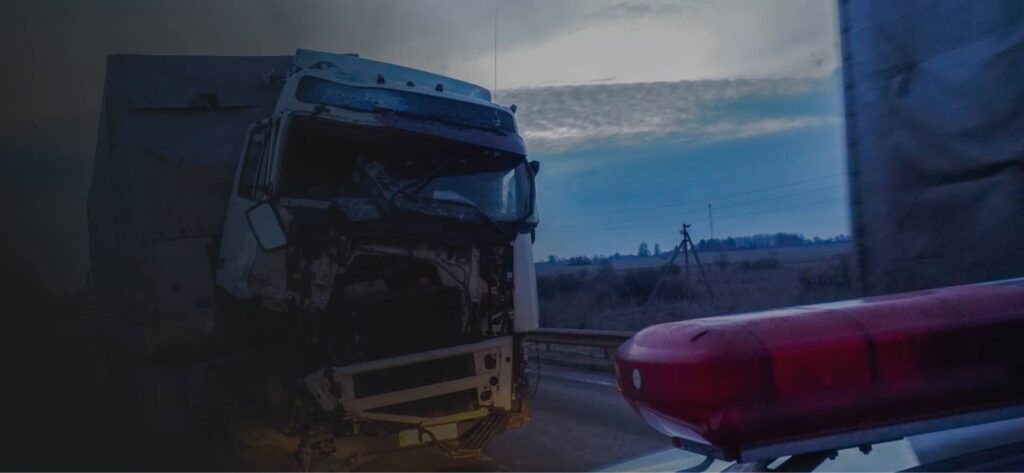
Who Can Be Held Liable in a Semi-Truck Accident in Denver?
A serious truck accident can turn life upside down, yet there is real hope in understanding one simple truth. Many semi-truck crashes involve more than one responsible party. You are not expected to untangle that alone. When you work with a Denver semi-truck accident lawyer at FIEDLER Trial Lawyers, you get a team that knows how to sort through complex evidence and find every source of accountability. This matters because identifying all liable parties often creates more paths to compensation. It also takes pressure off you while you focus on healing. With the right guidance, you can move forward with clarity instead of confusion. Understanding Liability in Colorado Truck Accident Cases Liability in a truck accident is based on negligence. In simple terms, negligence means someone failed to act safely and that failure caused the crash. It can be a bad decision, a safety rule that was ignored, or a danger that should have been fixed. Colorado uses modified comparative negligence. This system allows a jury to divide fault by percentages. Your compensation is reduced by your share of fault, and if you reach 50 percent or more, you may not recover money at all. This is why truck cases often require a careful look at every party involved. Insurers sometimes try to shift blame onto the victim to lower what they pay. They may point to small details or make assumptions that do not match the evidence. FIEDLER Trial Lawyers look at the whole picture and work to protect injured people from these tactics. Common points that affect liability include: Who broke traffic or safety rules. Whether the truck or company ignored hours of service limits. How cargo was loaded or secured. Whether road conditions or poor maintenance played a role. Potentially Liable Parties in a Denver Semi-Truck Accident Truck accidents are complex because many people and companies play a part in getting a truck on the road. Each one can share responsibility depending on what went wrong. The Truck Driver A truck driver can be liable when unsafe choices lead to a collision. This includes distracted driving, texting, speeding, driving while tired, ignoring signals, or making unsafe lane changes. A driver may also violate federal hours of service rules, which increases the risk of fatigue-related crashes. Each of these actions can place full or partial responsibility on the driver. The Trucking Company (Motor Carrier) The trucking company is often a major source of liability. Under vicarious liability, the company is responsible for the driver’s actions while on the job. Companies can also be negligent on their own. Examples include: Hiring unqualified drivers. Poor training or lack of supervision. Pressuring drivers to skip rest breaks or meet unsafe schedules. Ignoring maintenance needs or safety regulations. A company’s decisions can create dangerous conditions long before the truck reaches the road. Cargo Loaders, Shippers, and Brokers Cargo must be loaded safely. When loaders or shippers make mistakes, they can create serious risks for everyone on the road. Overloading, uneven weight distribution, and loose cargo can cause rollovers, jackknifes, or sudden loss of control. Unsafe scheduling or routing can also contribute to liability. A broker who pushes unrealistic delivery times may indirectly encourage risky driving. Maintenance and Repair Contractors Semi-trucks rely on consistent, thorough maintenance. Contractors who service brakes, tires, steering systems, or suspension parts can be liable if poor work leads to a crash. Missing a worn brake pad or a damaged tire can create catastrophic consequences. Maintenance records are key in these cases. A clear paper trail often shows whether a contractor failed to identify or repair a known issue. Truck and Parts Manufacturers Some crashes happen because a truck part fails. When a tire blows out due to a defect, or when brakes or steering components malfunction, the manufacturer may be responsible. These product defect claims focus on whether the part was designed or built in a dangerous way. These cases require careful expert analysis to understand what failed and why. Other Drivers Not every truck accident is only the truck’s fault. Passenger vehicles often cut off trucks, brake suddenly, weave through traffic, or create chain reaction collisions. When this happens, those drivers may share liability. This is also where internal linking to Denver car accident claims fits naturally. Government Entities (Road Design and Maintenance) Sometimes the road itself contributes to a crash. Missing signs, unsafe road design, potholes, and known hazards can place responsibility on government agencies. These claims follow special notice rules, so timing matters, but they remain an important piece of the liability picture How a Denver Truck Accident Lawyer Proves Who Is Liable Proving liability in a semi-truck accident takes careful investigation. These cases involve more evidence than a typical car crash because trucks operate under strict federal and state rules. A Denver truck accident lawyer at FIEDLER Trial Lawyers reviews every detail to understand exactly what happened and who played a role in the crash. Much of the evidence can disappear quickly, so acting early is important. Electronic data may be overwritten, trucks may be repaired, and companies may not hold onto documents unless they are required to. This is why truck cases often move fast on the investigative side. Key evidence often includes: ELD logs and hours of service records. Black box or ECM data showing speed, braking, and engine performance. Maintenance and inspection records. Bills of lading and shipping contracts. Police reports and hazardous materials documentation. Witness statements, photos, and video. Phone records and GPS logs. This evidence helps build a clear picture of how the crash happened and which parties should be held accountable. Why Identifying Every Liable Party Matters in a Semi-Truck Case Truck accidents often lead to life-changing injuries. Medical care is expensive, recovery takes time, and many people cannot return to work right away. When damages are high, it becomes even more important to identify every party that contributed to the crash. Different categories of losses can add up quickly, such as: Medical bills and long-term care.
